Create Time: 04 ,15 ,2026
Choosing the right scent diffuser machine in 2026 can feel overwhelming with so many options available — from compact models to powerful commercial units and full-building HVAC-integrated systems. Whether you want a relaxing aroma in your bedroom, a consistent fragrance for your hotel lobby, or a professional scent marketing solution for retail space, the right choice depends on your space size, usage needs, technology preference, and budget.
This comprehensive guide walks you through the key factors to consider so you can select a scent diffuser machine that delivers reliable, long-lasting fragrance with minimal hassle.
Number 2: Measure Space Volume (m³), Not Just Floor Area
Many buyers only provide square footage. For scenting, ceiling height and air changes matter.
Quick calculation
Volume (m³) = floor area (m²) × ceiling height (m)
Example: 200 m² × 3 m = 600 m³
Then add complexity:
Open atriums, strong fresh-air intake, multiple doors, or high ceilings generally require higher capacity or better zoning.
Number 2: Target coverage range (treat it as a range, not a promise)
Coverage is influenced by:
Outdoor air intake/ventilation rate
HVAC runtime and fan speed
Layout complexity (corridors, partitions, multiple rooms)
Temperature and humidity swings across seasons
In practice, you should treat “coverage” as a planning range and expect to fine-tune intensity after installation. Number 3: Oil bottle capacity (ml) = refill frequency + labor cost
Two machines may cover the same area, but if one requires refilling twice as often, your total cost and staff workload will rise.
When comparing models, always ask:
Bottle size (ml)
Typical refill interval at your intended setting
Whether the system supports stable output at low intensity (important for offices and clinics)
In 2026, commercial scenting usually falls into four categories. Your best choice depends on whether you need whole-building consistency or single-zone impact.
Best for: hotels, office buildings, large retail, multi-room spaces
Pros
More even distribution across zones
Centralized control and scheduling
Clean aesthetics (device is not “in the customer’s face”)
Considerations
Requires correct installation location and airflow planning
Needs a simple maintenance routine to prevent output drift
If your goal is a consistent “signature scent” across multiple rooms, an HVAC scent diffuser is often the most scalable option.
Best for: open lobbies, showrooms, gyms, event halls
Pros
High output potential
Fast deployment when duct access is limited
Easy to reposition for testing
Considerations
Placement matters (avoid direct blasting at entrances or seating)
Aesthetic integration and power access should be planned
Best for: offices, spas, corridors, clinics, meeting floors
Pros
Clean, hidden installation
Good coverage without taking wall/floor space
Often ideal for “subtle scent” strategies
Considerations
Requires ceiling access for installation and service
Plan wiring and maintenance access from day one
Best for: small retail stores, hallways, elevators, reception areas
Pros
Easy installation
Great for controlled, smaller spaces
Quick adjustment on-site
Considerations
Not suitable for whole-building scenting alone
Coverage will be limited in high-ceiling or high-ventilation areas
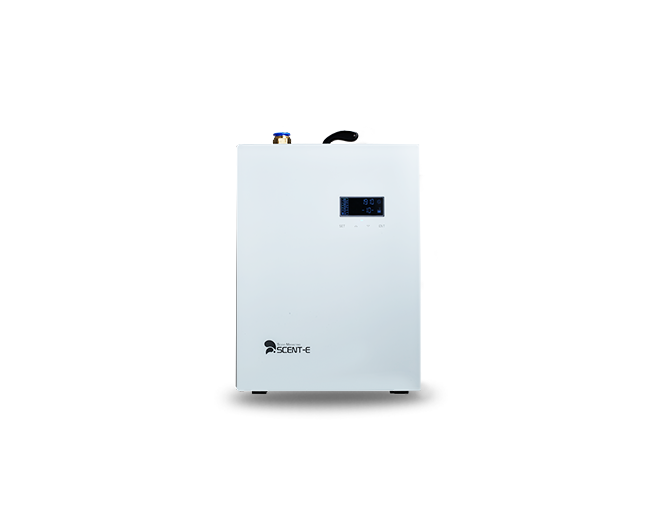
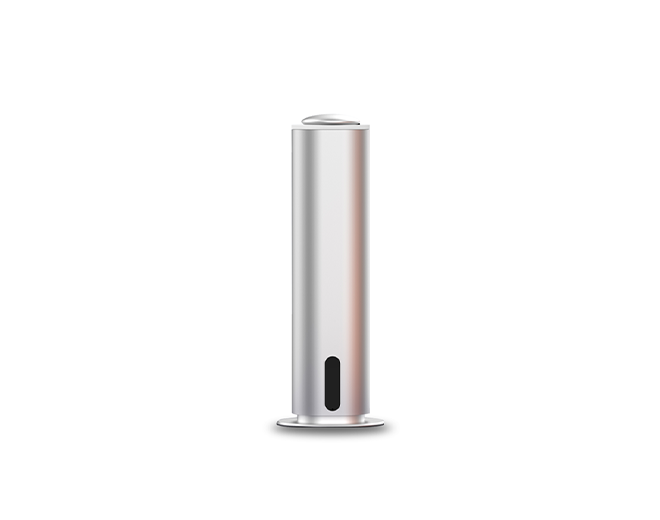
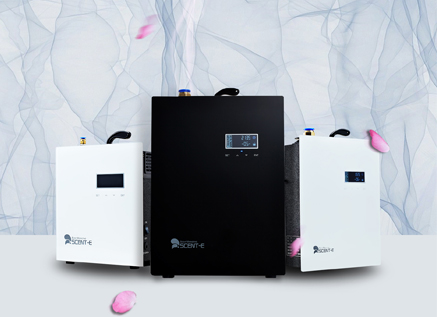
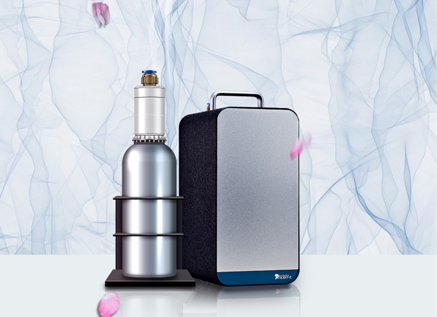
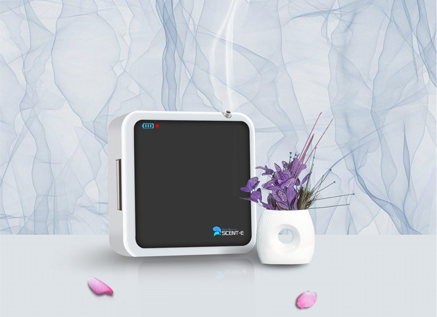
SCENT‑E offers categories for HVAC, floor standing, ceiling mounted, and wall mounted commercial diffusers.
Type | Best for | Pros | Watch-outs |
HVAC scent diffuser | Hotels, office buildings, multi-room retail | Most even distribution; centralized control | Requires correct install + HVAC runtime awareness |
Floor-standing diffuser | Lobbies, showrooms, gyms, large halls | High output; flexible placement | Aesthetic placement + power + safety planning |
Ceiling-mounted diffuser | Offices, spas, clinics, corridors | Hidden install; clean look | Needs ceiling access; planning cable route |
Wall-mounted diffuser | Small shops, elevators, hallways | Easy install; local control | Limited coverage vs big spaces |
Most professional systems now focus on cold-air diffusion/nebulization (rather than heat or water). What actually matters:
Stable micro-atomization: consistent output without “spitting” or heavy droplets
Precise control: scheduling + adjustable intensity steps
Quiet operation: important for spas, clinics, meeting rooms, luxury residences
Serviceability: easy cleaning, easy part access, predictable maintenance
Some commercial solutions from SCENT-E also feature two-fluid atomization technology for large-area applications such as hotels and commercial buildings, along with smart control functions available across multiple product categories.
Goal: memorable, consistent brand atmosphere (lobby, elevator areas, corridors)
Best fit: HVAC integration for broad consistency, plus targeted units for “hotspot” zones if needed
Goal: increase comfort and brand recognition without overpowering
Best fit: wall-mounted or ceiling-mounted for single stores; HVAC solution for chains and multi-zone layouts
Goal: subtle comfort with low complaint risk
Best fit: ceiling-mounted or low-output zoning + strict scheduling
Goal: calm, quiet, gentle scent profile
Best fit: quiet systems with excellent low-intensity stability, often ceiling-mounted or carefully placed standalone
Send this to your supplier to get accurate recommendations:
Building type and objective (brand scent/ambience/customer experience)
Area (m²), ceiling height (m), and number of zones
HVAC type (central, VRF, fresh air heavy, etc.)
Operating hours + peak traffic times
Any sensitive populations (offices, clinics, schools)
Preferred installation: HVAC /ceiling/wall / floor-standing
Whether you need centralized control or multiple independent zones
A professional manufacturer can recommend a suitable configuration based on these inputs and propose a scalable plan.
1) What’s the best scent diffuser machine for large buildings in 2026?
If you need consistent scent across multiple rooms or floors, HVAC-integrated systems are typically the most effective approach.
2) How do I estimate the right capacity?
Start with volume (m³), then adjust for ceiling height, airflow strength, outdoor air intake, and number of zones. Expect tuning after installation.
3) Are floor-standing machines “stronger” than HVAC scenting?
They can deliver strong output in open areas, but HVAC integration often provides more even multi-zone distribution when installed correctly.
4) What causes the most complaints in commercial scenting?
Over-scenting and inconsistent intensity (often caused by HVAC runtime changes or poor placement).
5) How often should a commercial diffuser be maintained?
At minimum: routine checks for output stability and cleanliness on a schedule. The exact frequency depends on run hours, oil type, and environment.
6) Can one machine cover an entire hotel?
Sometimes—but many hotels perform better with zoning (e.g., lobby vs corridors vs spa). A scalable plan often starts with one pilot zone and expands.
To choose the right scent diffuser machine in 2026, begin with space volume (m³) and ventilation behavior, then select the correct installation type (HVAC, floor-standing, ceiling, or wall-mounted). Prioritize stable atomization, precise scheduling controls, and service-friendly design—because consistent comfort matters more than maximum output.
If you’re selecting a professional system for hotels, retail, offices, spas, or luxury residences, choose a solution that can be tuned seasonally, maintained predictably, and scaled by zones—so your scent becomes a signature experience, not a source of complaints.



 English