Create Time: 08 ,08 ,2026
A commercial scent machine may have enough rated capacity for a large venue but still create uneven fragrance coverage. One area may smell strong while another is barely scented. In some buildings, fragrance is noticeable near the entrance but becomes weaker farther inside.
This happens because scent distribution depends on much more than machine output. Airflow, ceiling height, room geometry, diffuser placement and operating conditions all affect how atomized fragrance moves through a commercial space.
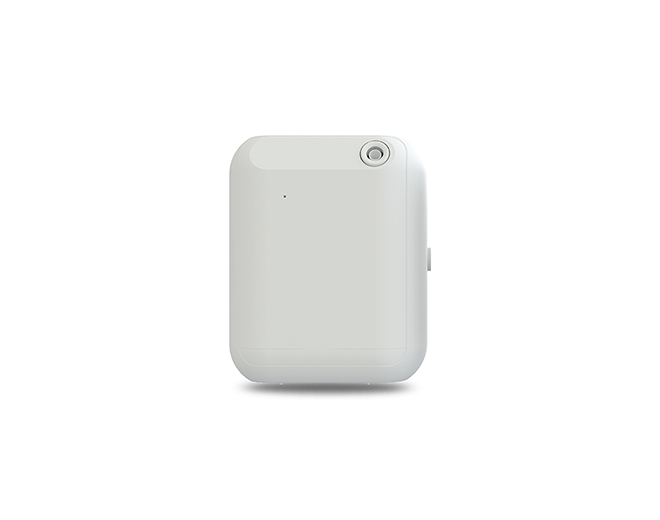
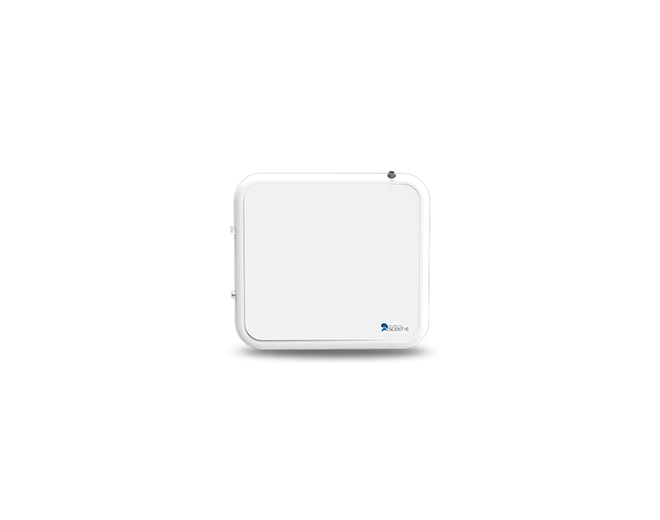
SCENT-E provides commercial scenting systems in HVAC-connected, wall-mounted, floor-standing and ceiling-mounted formats, allowing different installation strategies for different environments.
Coverage specifications usually indicate the approximate space volume a diffuser is designed to handle. They should not be interpreted as a guarantee that fragrance intensity will be identical at every point within that area.
A commercial scenting system can be considered uneven when fragrance is concentrated near the diffuser, noticeably weaker in distant areas or inconsistent between connected spaces.
Several factors influence this:
| Factor | Effect on Scent Distribution |
|---|---|
| Airflow | Determines where fragrance travels |
| Ceiling height | Changes total air volume |
| Room layout | Redirects or blocks air movement |
| Diffuser position | Defines the initial scent path |
| Doors and ventilation | Dilute scented air |
| Output setting | Controls fragrance quantity |
| Operating time | Changes perceived intensity |
For this reason, the rated coverage of a commercial fragrance machine should be treated as a starting point for system planning.
Fragrance does not simply leave a diffuser and spread equally in every direction.
Commercial buildings contain constantly moving air. HVAC supply vents push conditioned air into rooms, return vents pull air back into the system, while doors, fans, elevators, escalators and people create additional air currents.
Two locations can therefore be the same distance from a diffuser but receive very different fragrance concentrations.
This is particularly important in HVAC scenting systems. When fragrance is introduced into an air-conditioning or fresh-air system, the existing airflow becomes part of the scent-distribution network.
Uneven scent coverage is therefore frequently caused by airflow rather than insufficient diffuser capacity. Increasing machine output without understanding the airflow may simply make the already strong area smell stronger.
Floor area alone does not describe how difficult a commercial space is to scent.
For example, two spaces may both measure 500 m². A standard enclosed room with a three-meter ceiling contains far less air than a multi-story hotel atrium with the same floor area.
High ceilings increase the total volume that fragrance must cover. Open entrances continuously bring in outside air, while atriums may create vertical air movement. Shopping malls, airports and exhibition halls can also contain several connected zones with different ventilation patterns.
This means an industrial scent machine should not be selected only according to square meters.
A more useful approach considers room volume, ceiling height, ventilation rate, door openings and the direction in which air moves through the building.
When a distant area smells too weak, the most obvious response is to increase fragrance intensity.
That may help if the machine is genuinely undersized. However, if the real problem is poor distribution, higher output can make the imbalance more noticeable.
The area closest to the machine may become too strong while distant locations remain weak because the fragrance is still following the same airflow path.
Before increasing output, it is worth checking:
the diffuser's position relative to HVAC supply and return vents;
major entrances, partitions and airflow barriers;
whether different areas belong to separate ventilation zones;
whether the fragrance is being carried toward occupied areas or removed too quickly.
The goal is not simply to release more fragrance. It is to place the fragrance into an airflow path that distributes it effectively.
A single large diffuser can work well in an open environment where airflow is predictable and the entire area requires a similar scent intensity.
Complex commercial spaces often benefit from zoning.
A shopping center, for example, may contain an entrance, atrium, corridor, restroom, lounge and individual retail stores. These spaces can have very different airflow, foot traffic and background odors.
Using multiple scent zones allows each environment to operate according to its own conditions. An entrance exposed to frequent door opening may require a different setting from an enclosed lounge, even if both are part of the same building.
SCENT-E offers different commercial diffuser formats and capacities for these types of environments. This makes it possible to combine larger-area systems with smaller localized machines rather than relying entirely on one central source.
Scent zoning is therefore not simply about installing more machines. It is about separating spaces that behave differently from an airflow and fragrance perspective.
Commercial spaces do not remain equally busy throughout the day.
A hotel lobby may be quiet in the morning and crowded during check-in. Shopping centers experience heavier door traffic during peak hours, while HVAC operating conditions may change between daytime and evening.
These changes influence fragrance dilution.
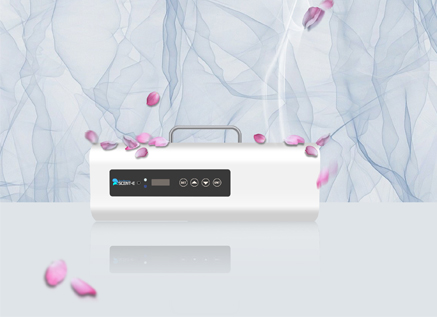
Programmable schedules can therefore play an important role in consistent scenting. Selected SCENT-E commercial machines support timer, Wi-Fi and APP-based control, allowing operating periods and scent intensity to be adjusted according to business hours.
Instead of operating continuously at one fixed level, a system can use different settings during busy and quiet periods. This can improve fragrance consistency while also reducing unnecessary oil consumption.
A commercial scent machine needs enough capacity for the space, but capacity alone cannot guarantee even fragrance coverage.
Airflow, ceiling height, room geometry, ventilation, diffuser position, zoning and operating schedules all influence how scent moves through a building.
When one area smells strong and another remains weak, increasing output should not automatically be the first response. Understanding how air travels through the space is often more important.
Effective commercial scenting comes from matching diffuser capacity with the actual airflow and layout of the environment.
Airflow may be carrying fragrance toward one part of the space more effectively than another.
No. A larger machine provides more output, but it cannot automatically correct poor placement or unsuitable airflow.
HVAC airflow can transport fragrance through a building, but supply vents, return vents and air zones determine where it travels.
They contain more air volume and often have stronger vertical airflow, making fragrance distribution more complex.
Yes. Multiple zones can improve control when different areas have different ventilation, traffic or odor conditions.
Yes. Placement relative to airflow, ventilation outlets and entrances can significantly change perceived fragrance intensity.



 English