Create Time: 10 ,24 ,2026
A commercial scent diffuser machine needs routine attention to maintain consistent fragrance delivery and dependable operation. Even when equipment is correctly installed, residue, low fragrance levels, incorrect settings, or neglected components can affect performance over time. For businesses, an unexpected interruption may also create additional work for facility or maintenance teams.
A practical preventive maintenance plan helps users identify small issues before they become operational problems. This guide explains what to inspect, how to organize routine care, and what to evaluate when choosing a commercial scent diffuser machine for a business environment.
Preventive maintenance is the planned inspection and care of equipment to help reduce avoidable interruptions. For a commercial scent diffuser machine, the aim is to keep fragrance delivery consistent, identify visible problems, and follow the manufacturer's operating instructions.
Maintenance needs vary by model. A standalone unit may require straightforward checks of its fragrance container and exterior, while a wall-mounted or HVAC-connected system may need different access and service procedures. Users should not assume that every machine can be cleaned or serviced in the same way.
A maintenance plan also helps businesses track recurring needs. Recording refill dates, cleaning activities, settings, and service issues can reveal patterns that are difficult to identify when each task is handled informally.
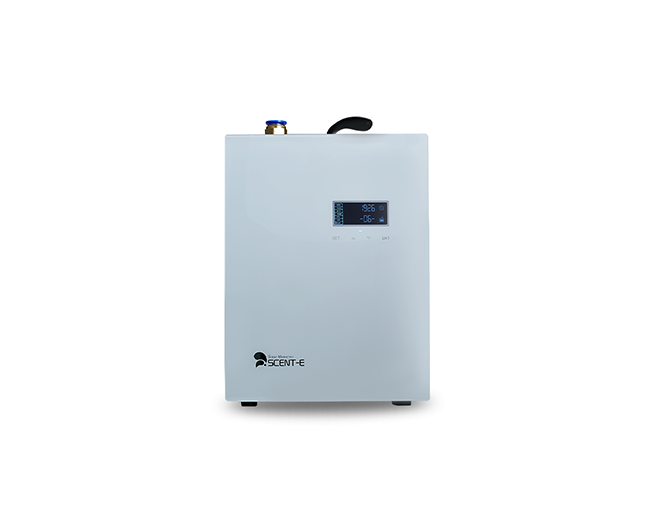
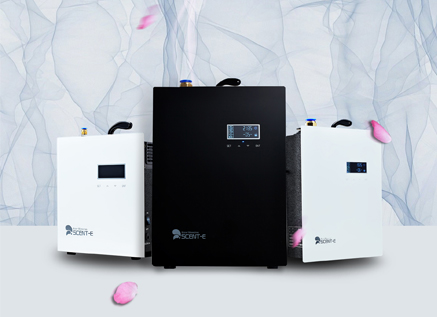
Before purchase, ask the supplier for the maintenance instructions for the exact model. The SCENT-E commercial scent machine range provides a starting point for comparing equipment, but model-specific documentation should guide the actual maintenance process.

The components requiring attention depend on the machine's design and the manufacturer's recommendations. A useful inspection plan typically covers several areas.
Fragrance supply: Check the remaining fragrance level and confirm that the correct product is being used.
Exterior and air outlets: Look for visible dust, residue, or obstructions that may affect operation.
Connections and power supply: Check accessible cables and connections for visible damage, following the manufacturer's safety instructions.
Settings and controls: Confirm that output levels, timers, and operating schedules match the intended use.
Mounting and placement: For installed units, check for visible movement, obstruction, or changes to the surrounding environment.
Cleaning methods should be model-specific. Do not disassemble components, introduce cleaning liquids into internal parts, or use unapproved solvents unless the manufacturer explicitly permits these actions. If the unit shows unusual noise, leakage, electrical damage, or persistent performance changes, follow the manufacturer's troubleshooting instructions and seek qualified service when necessary.
Keep a record of the fragrance product used and any changes to settings. This can help distinguish a maintenance issue from a change in operating conditions or fragrance requirements.
A maintenance schedule should be simple enough for staff to follow consistently. The exact frequency should come from the manufacturer's instructions and the site's operating conditions, rather than a universal timetable.
For example, staff can check fragrance levels during routine facility inspections, review operating settings when schedules change, and perform cleaning at the intervals specified by the manufacturer. More intensive inspections may be appropriate after relocation, service, or a noticeable change in performance.
Assign responsibility clearly. One person or team should know who checks supplies, records maintenance, reports faults, and contacts the supplier. In larger businesses, a shared log can help facility teams coordinate tasks across different locations.
A useful maintenance record includes the inspection date, machine model or asset identifier, fragrance refill, cleaning performed, observed issues, and any corrective action. These details can help staff identify repeated problems and support more informed discussions with the supplier.
Not every configuration has the same service requirements. Compare the actual instructions for each model before selecting equipment for a site.
Equipment configuration | Maintenance considerations | Questions to ask the supplier |
|---|---|---|
Standalone unit | Fragrance refills, exterior cleaning, accessible components | How are refills and routine cleaning performed? |
Wall-mounted unit | Refill access, mounting stability, clearance for servicing | Can staff safely access the unit after installation? |
HVAC-connected system | System access, compatible components, coordination with building maintenance | Who is responsible for servicing the connected installation? |
Programmable commercial unit | Schedule settings, output controls, operating records | How are settings checked and restored after changes? |
The table provides a general comparison, not a guarantee that every model in a category has identical requirements. Design, usage, and installation can change the maintenance workload.
When evaluating a scent machine for business, consider who will perform routine tasks and how easily the unit can be accessed. A machine that meets fragrance requirements but is difficult to inspect may create unnecessary work for the team responsible for daily operation.
Maintenance planning begins before the machine is installed. Buyers should ask suppliers for operating instructions, cleaning guidance, troubleshooting information, warranty terms, and details about replacement parts. Clarify how technical support is provided and whether parts or consumables are available for the expected service period.
It is also useful to ask which tasks can be handled by trained on-site staff and which require a qualified technician. This distinction helps businesses plan staffing and avoid performing maintenance beyond the permitted scope.
For projects involving several locations, request consistent documentation and a clear way to identify models and parts. Standardized records can make it easier to manage consumables and coordinate support, even when individual sites have different operating conditions.
Before accepting a quotation, clarify what after-sales support is included, how service requests are handled, and whether any services carry additional fees. Comparing these details alongside equipment specifications gives buyers a clearer picture of the support they can expect.
A preventive maintenance plan helps businesses keep a commercial scent diffuser machine operating consistently while reducing avoidable interruptions. Regularly check fragrance supplies, accessible components, controls, and installation conditions according to the manufacturer's instructions. Record inspections and corrective actions so recurring issues can be identified and addressed. Before purchasing, compare maintenance access, documentation, replacement-part availability, and after-sales support. SCENT-E can be assessed using these criteria alongside other suppliers. Selecting equipment that fits both the fragrance requirements and the site's maintenance capabilities makes long-term operation easier to manage.
Cleaning frequency depends on the model, usage, and manufacturer's instructions. Follow the supplied maintenance guidance rather than applying the same schedule to every machine.
Check the fragrance level, operating settings, and any visible obstructions. If the issue continues, consult the model's troubleshooting instructions or contact the supplier.
Some routine checks may be suitable for trained staff, but permitted tasks vary by model. Follow the manufacturer's instructions and use qualified service personnel when required.
No. Confirm compatibility with the selected machine. Using an unapproved product may affect performance or maintenance requirements.
Record the inspection date, machine identification, fragrance refill, cleaning tasks, observed problems, and corrective actions. This helps track equipment history and recurring issues.
Ask about operating manuals, troubleshooting assistance, warranty coverage, replacement parts, service procedures, and any additional fees for technical support.
This is the first one.



 English