Create Time: 10 ,03 ,2026
A commercial scent machine helps businesses distribute fragrance throughout indoor spaces in a controlled and consistent way. However, choosing the right equipment involves more than comparing prices or selecting a machine based on appearance. Buyers need to consider coverage, airflow, fragrance consumption, control options, installation requirements, and ongoing maintenance before requesting a quote.
For hotels, offices, showrooms, and other commercial environments, the right commercial scent machine should match the actual space and operating schedule. This guide explains seven specifications worth comparing so you can evaluate equipment more accurately and communicate your requirements clearly to a supplier such as SCENT-E.
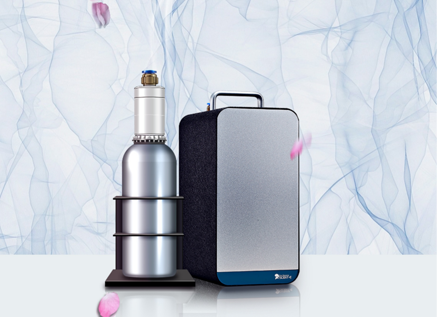
A commercial scent machine is a fragrance-diffusion device designed for business environments that require reliable operation and controlled scent distribution. Unlike a small personal diffuser, commercial equipment is selected according to room size, ventilation conditions, operating hours, and the desired fragrance intensity.
A suitable system should distribute fragrance without making the environment overwhelming. The objective is a balanced and repeatable scent experience, not simply the strongest possible output.
Before comparing models, identify the environment where the equipment will operate. A reception area, private office, retail showroom, and large open lobby may have different requirements even when their floor areas appear similar. Ceiling height, room layout, air-conditioning, and the number of connected spaces can all affect the result.
Businesses evaluating a commercial scent diffuser machine should therefore start with application requirements rather than a model name alone.

The following seven specifications provide a practical starting point for evaluating a commercial scent machine.
Recommended coverage: Check the manufacturer's stated coverage and clarify the conditions under which it applies. Open rooms and divided spaces may require different configurations.
Fragrance output: Confirm whether output can be adjusted to suit the space and the preferred scent intensity.
Fragrance compatibility: Ask which fragrance oils or cartridges are approved for the equipment. Compatibility affects performance and maintenance.
Control options: Determine whether the machine supports adjustable settings, timers, or scheduled operation.
Installation method: Check whether the unit is freestanding, wall-mounted, or designed to connect with an HVAC system.
Power and operating requirements: Verify the available power supply, installation clearances, and any ventilation considerations.
Maintenance access: Understand how to refill fragrance, clean relevant components, and obtain replacement parts.
These specifications should be assessed together. For example, a machine with high output may be unnecessary in a small office, while a compact unit may not be suitable for a large, open commercial area. The best option is the model that meets the application's requirements without adding unnecessary operating complexity.
Room size is an important selection factor, but square footage alone does not determine performance. Ceiling height, partitions, doors, air-conditioning, and fresh-air exchange influence how fragrance moves through a space.
An open lobby may allow fragrance to disperse across a large area, while several enclosed rooms may need separate units or a different distribution arrangement. Strong airflow can also move fragrance away from the intended zone, so the machine's placement matters.
When requesting a quote, provide the supplier with the approximate floor area, ceiling height, layout, ventilation conditions, and daily operating hours. If you have a floor plan, share it for a more useful recommendation.
SCENT-E can be considered alongside other suppliers by comparing how clearly each one explains coverage assumptions and installation requirements. A recommendation should be based on the real environment rather than a general coverage figure alone.
Different commercial environments may require different equipment configurations. Use the table below as an initial comparison rather than a substitute for model-specific specifications.
Configuration | Potentially suitable application | Main consideration |
|---|---|---|
Compact standalone unit | Small offices or individual rooms | Local coverage and refill access |
Larger commercial unit | Open reception areas and showrooms | Output adjustment and airflow |
Wall-mounted unit | Spaces where floor area is limited | Mounting position and service access |
HVAC-connected system | Suitable buildings with compatible air distribution | HVAC compatibility and professional installation |
A scent machine for business should be selected according to the operating environment, not simply its configuration label. Two machines described as commercial models may differ significantly in output control, fragrance capacity, and installation requirements.
Ask suppliers to identify the exact model being quoted and provide the relevant technical documentation. This makes it easier to compare options on an equivalent basis.
A clear inquiry helps suppliers recommend appropriate equipment and reduces unnecessary back-and-forth. Include the application, approximate space dimensions, ceiling height, ventilation conditions, operating schedule, preferred installation method, and expected purchasing quantity.
You should also ask about fragrance availability, refill frequency, cleaning instructions, warranty coverage, replacement parts, and after-sales support. If the project involves multiple locations, explain whether the machines need to use the same settings or fragrance products.
Avoid evaluating a quotation by purchase price alone. A lower-priced unit may have different coverage assumptions or operating requirements. Request model-specific specifications and clarify which accessories, fragrance products, installation services, and support options are included.
For a broader view of available equipment, visit the SCENT-E commercial scent machine product range and compare models against your application requirements.
Choosing the right commercial scent machine starts with understanding the space, operating schedule, and fragrance objectives. Compare coverage, output adjustment, fragrance compatibility, controls, installation, power requirements, and maintenance before requesting a quotation. Share accurate site information with suppliers so recommendations reflect actual conditions rather than generic coverage claims. SCENT-E is one option to evaluate when comparing commercial fragrance equipment. By requesting model-specific documentation and clarifying ongoing operating requirements, buyers can make a more informed decision and select a system that fits their business needs.
Start with room dimensions, ceiling height, airflow, operating hours, and desired fragrance intensity. Then compare coverage, output control, installation, and maintenance requirements.
No. A larger unit may provide more output than a small room requires. Select equipment according to the space and its ventilation conditions.
Some models support timers or scheduled operation. Confirm the available controls for the specific model before purchasing.
Refill frequency depends on fragrance capacity, output settings, operating hours, and the fragrance used. Ask the supplier for an estimate based on your intended schedule.
That depends on the layout and air distribution. Separate enclosed rooms may need individual units or a suitable centralized arrangement.
Provide site dimensions, installation details, expected quantity, operating schedule, and fragrance preferences. Request technical specifications, warranty terms, maintenance instructions, and a clear breakdown of included items.



 English